

The most important room in your practice
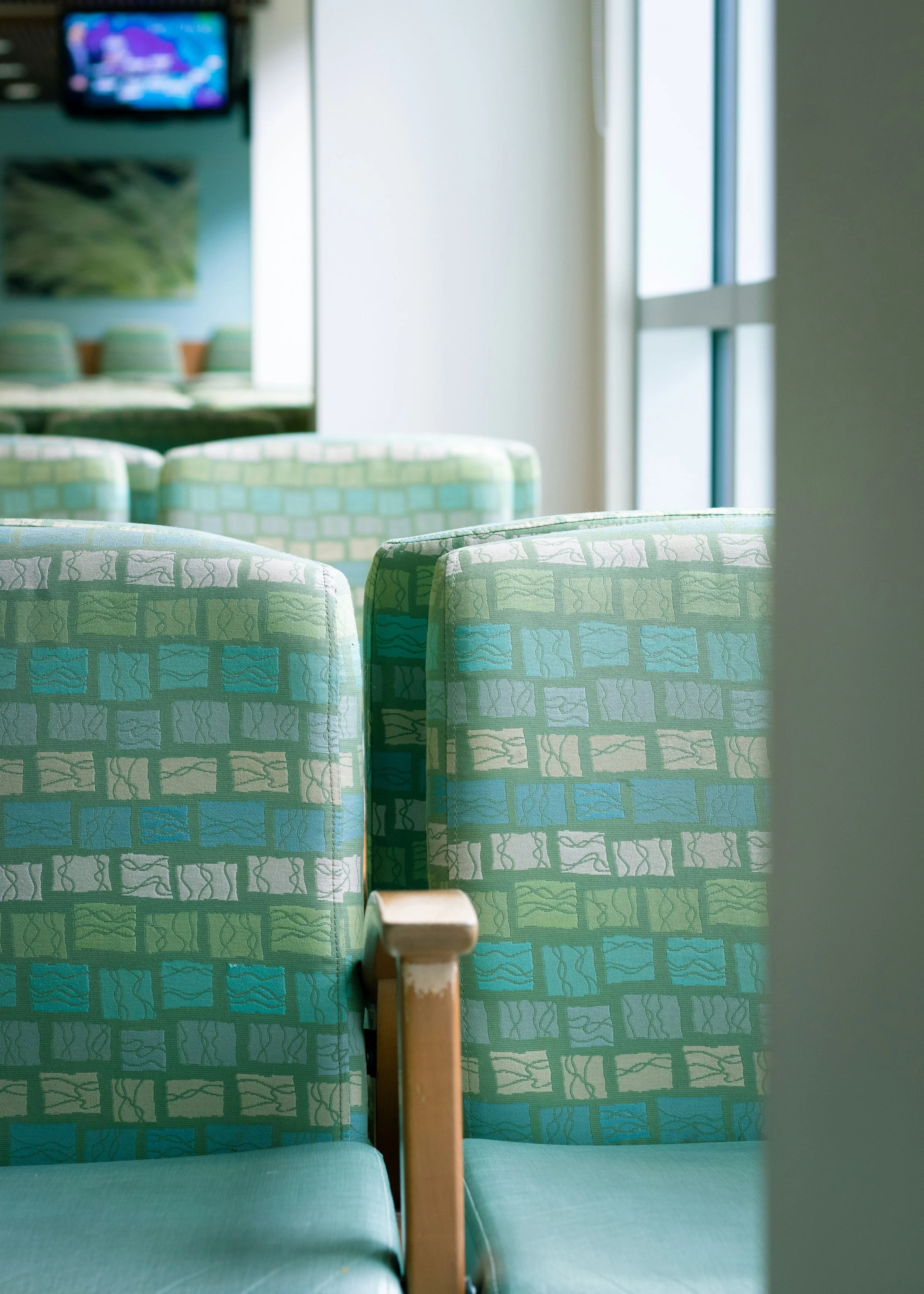
Picture a Monday afternoon in July. The waiting room is filling up. A dozen people, maybe more, and some of them have come in because they're sick. It's cold outside and the door is firmly closed to keep the heat in. Everyone finds a spot and waits ten or fifteen minutes until the GP is ready to see them.
A waiting room is one of the highest-risk indoor spaces for the spread of infectious disease. And almost nobody is measuring what's happening in it.
Most advice about indoor air is generic. New Zealand guidance is to keep CO2 below 1,000 ppm for indoor spaces. But a GP waiting room isn't a generic space, and a generic standard doesn't fit it, because nearly every risk factor is stacked in one room at once. Patients are more likely to be carrying an infection. They sit in the space for a long time. The room is small and enclosed. And the other people sharing it are often the most vulnerable members of our community.
We can't see stale air, but we can measure it, and measuring it is easy. Every time we exhale, we breathe out CO2. In a well-ventilated space it gets flushed out and levels stay low. In a poorly ventilated one it builds up. The CO2 itself isn't the problem. The issue is that where CO2 accumulates, so does everything else people breathe out, including the tiny airborne droplets that carry infection. Measuring CO2 gives us a proxy: a signal that tells us when the air has gone stale and needs refreshing.
What the evidence says
There's a substantial body of research here already.
A team led by air quality researcher Lidia Morawska, one of the most prominent names in airborne transmission, put numbers to it. Entering a room shortly after an infectious patient left carried an estimated influenza risk of 3.6% to 20.7%, depending on how long each person spent in the room.
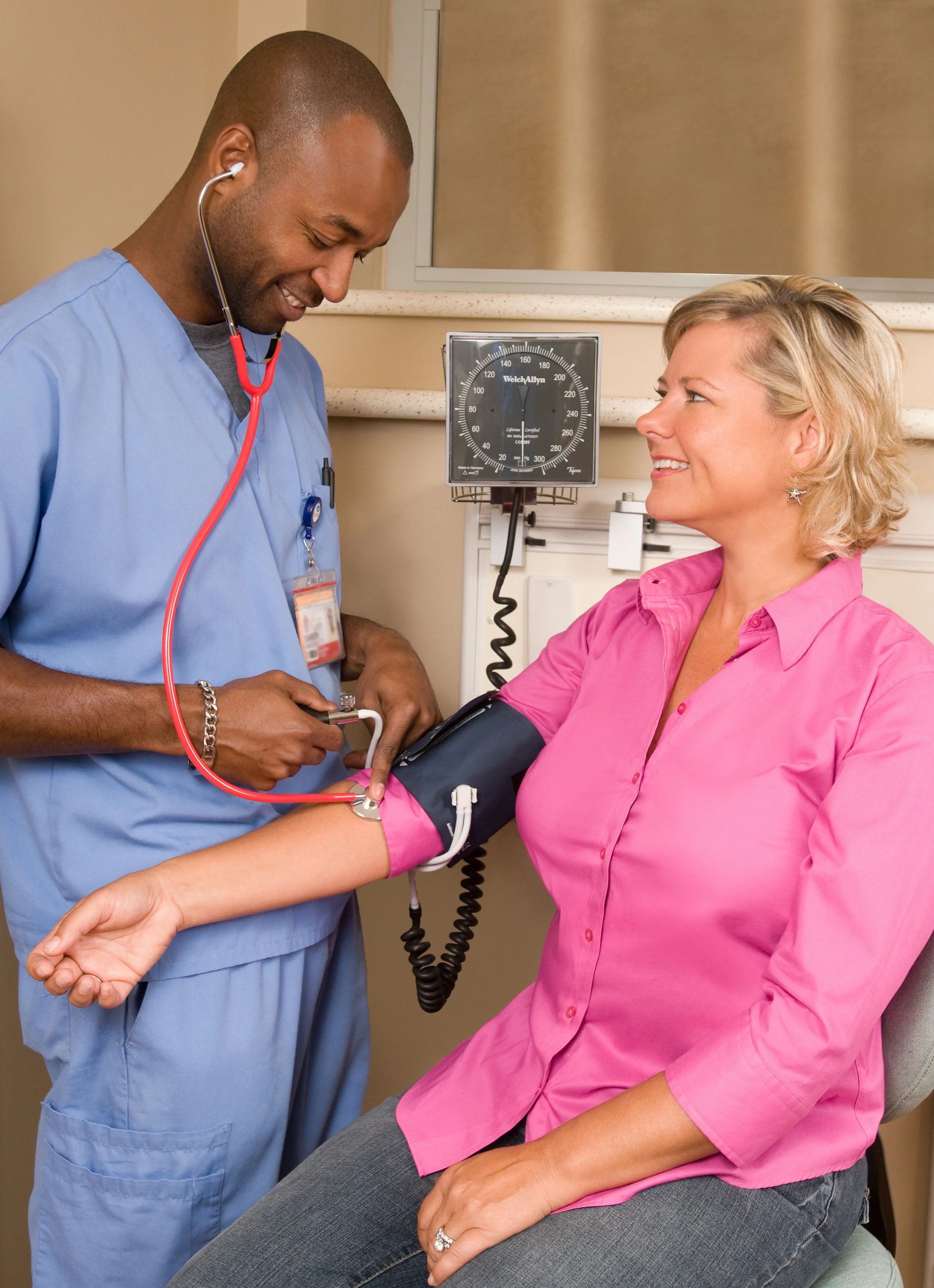
A 2024 study by researchers at the Japanese Red Cross Yamaguchi General Hospital went further. Aiming to quantify the airborne transmission risk of SARS-CoV-2 across different indoor settings, they modelled that at an indoor CO2 level of 1,000 ppm, the airborne infection risk in a shared space could rise to around 95% under worst-case assumptions, with nobody masked. That's the critical point: New Zealand guidance is 1,000 ppm, so meeting the guideline is not enough to keep patients safe. In a room full of sick people, the lower the CO2, the better.
The World Health Organization has recommended ventilation of at least 60 litres per second per patient for general outpatient areas, a target that's very hard to hit with natural ventilation alone. But the fix doesn't have to be expensive. A study in Peru, run by researchers from University College London and the Universidad Nacional Mayor de San Marcos, showed that simple changes to natural ventilation, like opening windows and clearing obstacles to airflow, produced a 72% reduction in modelled tuberculosis transmission risk.
You can't fix what you can't see
Air quality in your waiting room is vital. It's where patients sit together, everyone from newborns to the elderly, the most vulnerable in our community, breathing the same air.
The good news is that fighting the spread of airborne infection can be cheap and simple. A basic CO2 monitor costs a few hundred dollars and turns an invisible risk into a number. It won't clean the air. It will tell you the moment you need to open a window. And opening a window is free.
Your waiting room is the most important room in your practice. You can't manage what you can't see.
Al Bren is the founder of Monkeytronics, a for purpose New Zealand business that designs and manufactures indoor air quality monitors. He writes about indoor air in schools, businesses and homes.