

Nine thousand people, one mass spectrometer, and The Hunger Games
In 2013, a group of atmospheric chemists from the Max Planck Institute were clearly very bored. They decided to go to the cinema to catch the Hunger Games. But since they spend most of their working lives measuring the air above the Amazon rainforest, obviously they packed their mass spectrometer. When they got there, they plumbed it into the exhaust vent of a Cinestar multiplex in Mainz, and pointed it at the audience.
This is not normal behaviour. But if I’m being 100% honest, I approve.
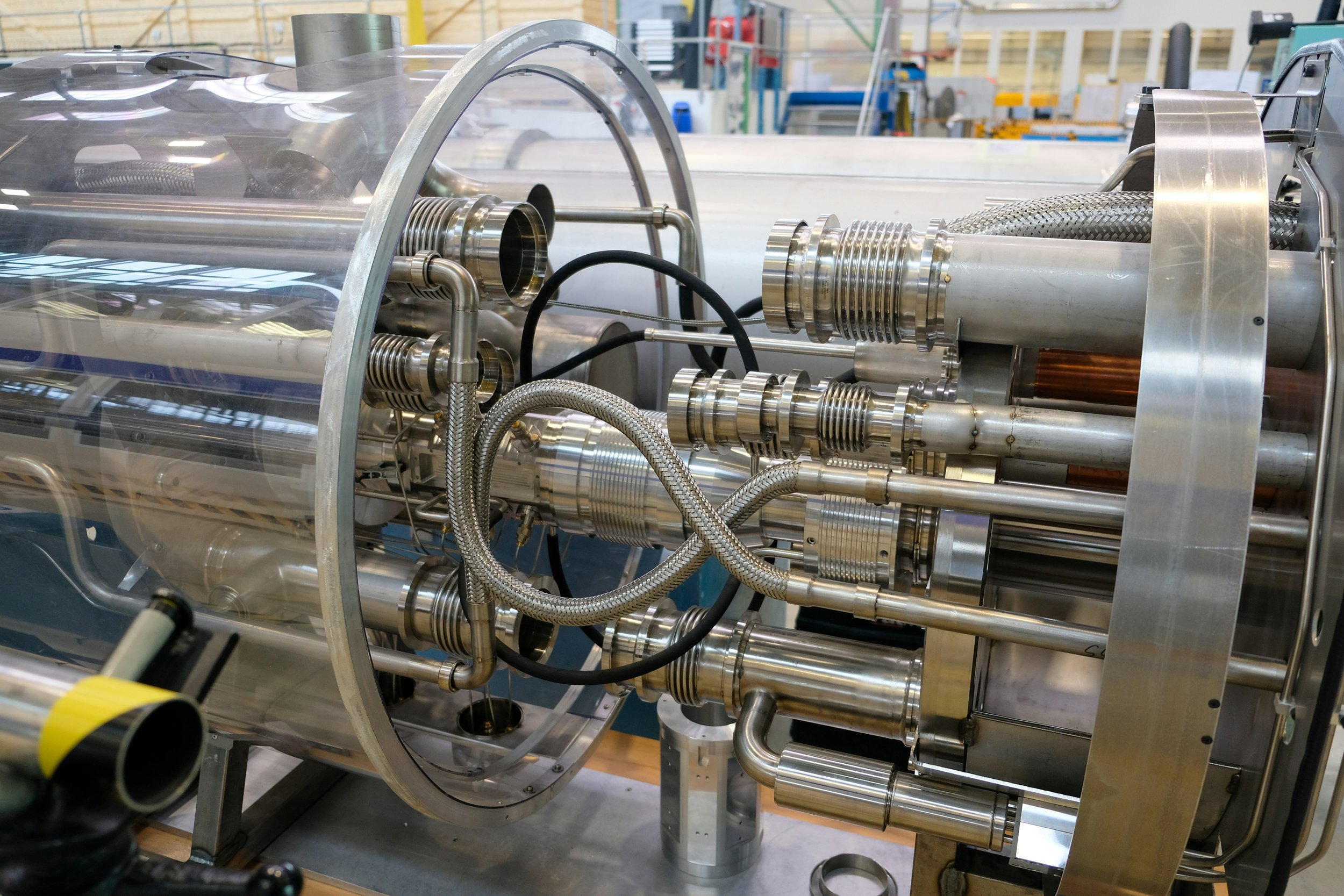
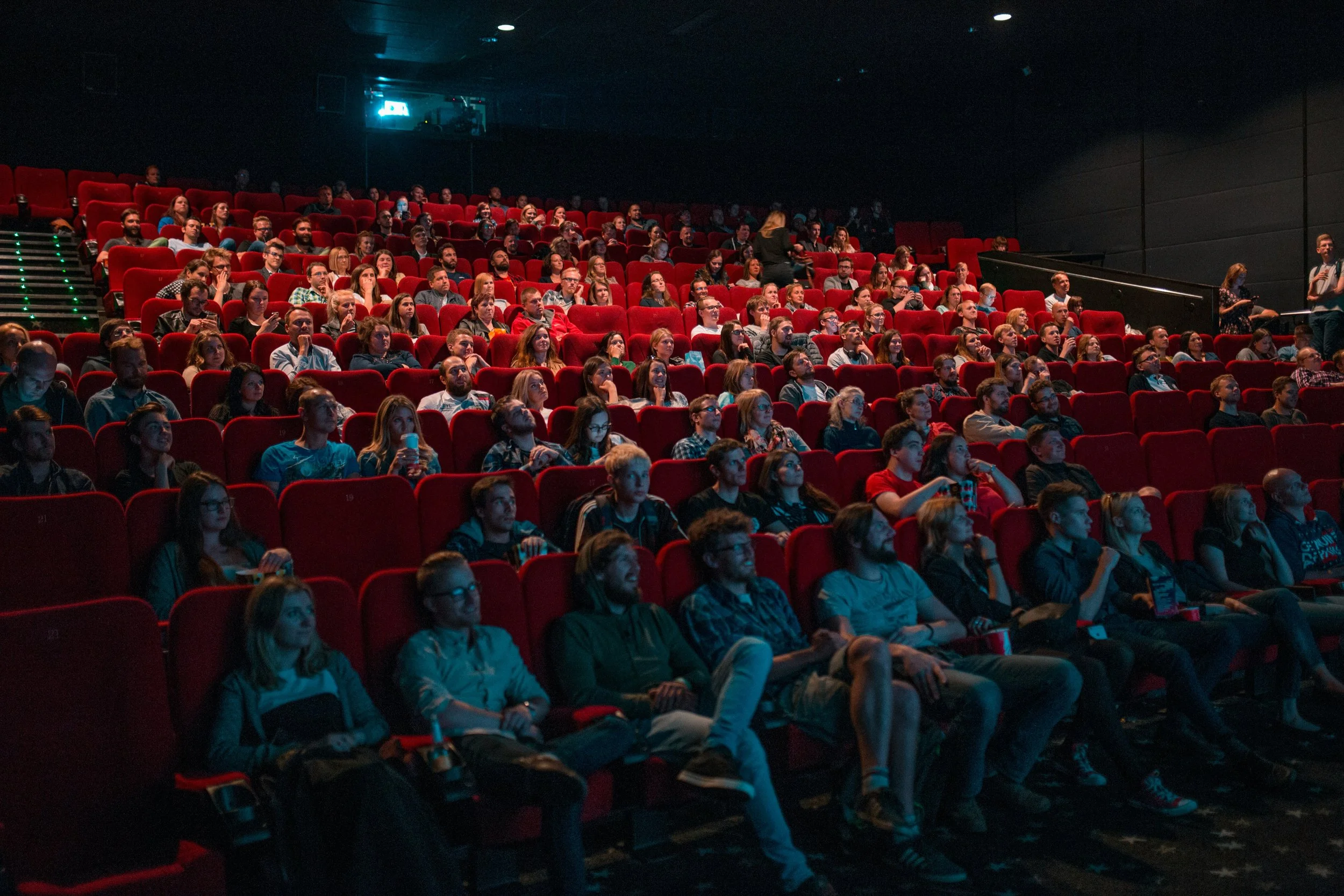
Over the following weeks, around 9,500 people piled in to watch The Hunger Games, The Hobbit, Walking with Dinosaurs and a handful of others. None of them had any idea their breath was being analysed every thirty seconds, for more than a hundred separate chemical compounds (Scientific Reports).
Why would they do that?
Well, firstly because scientists are weird. But secondly, an empty cinema sits at around 400 ppm of CO2, the same as the air outside. Fill it with people and the number climbs quickly at first, then slows, levelling out somewhere between 1,000 and 2,400 ppm after about ninety minutes. Film ends, everyone leaves, and it drops off a cliff.
But, It also tracked what was happening on the screen!
The Hunger Games produced a chemical signature so distinct that it reproduced across different screenings, on different days, with completely different audiences. As the heroine (Catnip or whatever she was called) started firing arrows a people’s heads, CO2 spiked. So did isoprene. Every single time (Max Planck). This isoprene stuff isn’t just what makes your yoga pants stretchy, it’s also stored in muscle tissue and gets released when you move. Along with abut 800 other compounds apparently.
So when a room full of strangers tenses up, shifts in their seats and breathes a little faster during a suspense scene, they collectively vent it into the air. Their nervous systems, in the ventilation duct, measurable, every thirty seconds. These scientists could tell you the genre from the exhaust air. And that is why science is awesome!
So what?
That Mainz cinema was properly ventilated. The paper notes that peak CO2 stayed well below the European indoor limit of 3,500 ppm. Nobody was harmed watching The Hobbit, at least not physically. But look at that number again. 2,400 ppm at the top end. In New Zealand, our guidance is to keep indoor spaces under 1,000 ppm. The US CDC says 800.
So a cinema that comfortably passes one country's standard is running at more than double another's. Both can't be right, and the gap between them is hardly a rounding error. It's the same air, and the answer changes entirely depending on whose yardstick you pick up. Which honestly bothers me more than the readings do.
What I take from all this is that cinemas are NOT dangerous. They're totally fine, and I'll keep taking my kids to them as often as they’ll agree to go!
It's that air quality is a far stranger and more useful thing than we give it credit for. We treat it as a potential pollutant, a number to keep beneath a threshold. It's actually a continuous, honest, unarguable readout of human presence and human effort. It rises when a room fills up. It rises when people work hard. It rises, apparently, when Katniss Everdeen launches arial warfare on a dead pig.
That is exactly why it's the single most useful thing you can measure in a room full of people. Not because CO2 is the villain. Because without asking anyone a single question, it tells you how much of that room's air has already been through somebody else's lungs. And if you’re really paying attention, what they are watching on TV.
So the inarguable conclusion is that all cinemas, offices and anywhere else people hang out in numbers should be equipped with a $1,000,000 mass spectrometer.
But if you aren’t willing to drop a million on one of those, you could make do with an Airsmart CO2 for $240 + GST !