

Little Sleepy Heads
I think kindergartens might be the best places on earth. Both of my daughters went to kindies in Wellington and for both of them, it was an amazing experience. They learned all the most valuable lessons in life: friendship, sharing, trust, bravery, creativity, kindness... I could go on. The kaiako were the most attentive people I've ever met. Every day at drop off, I knew they were in safe hands for a few hours while I scrambled to get a bit of work done or finish one of my many projects around the house.
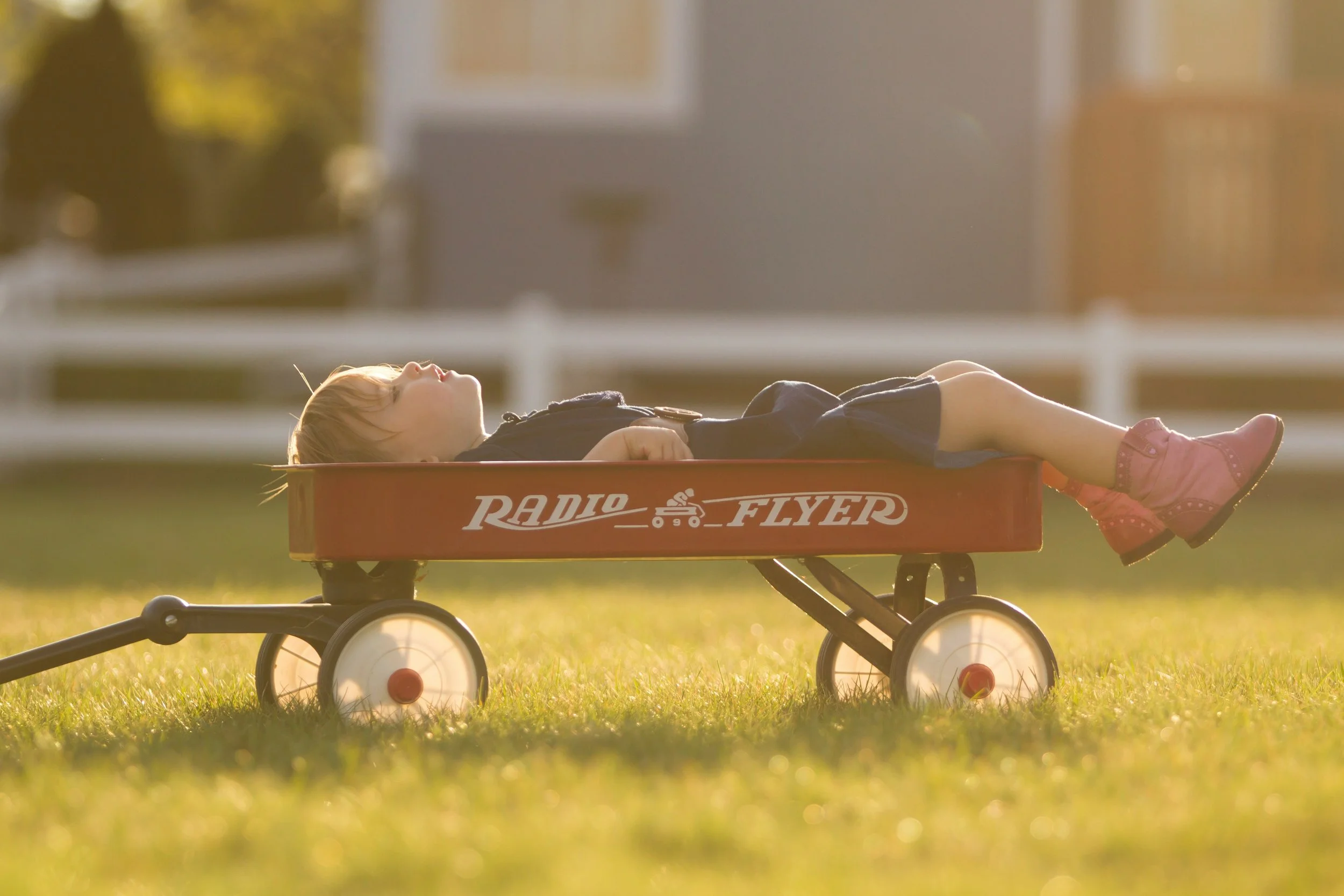
So, our kindie did everything right. But there is one thing that is genuinely hard for anyone to notice, because you can't see it or smell it. The air. And in particular the air in the nap room, where there can be any number of tiny little sleepy heads strewn around the floor.

What science can tell us?
A study of day care facilities that measured CO2, temperature and humidity found that more than half of them ran above the 1,000 ppm CO2 guideline, and that levels during nap time were higher than the rest of the day. Crucially, the dedicated sleep-only rooms were significantly worse than multipurpose rooms, and the researchers' plain-language recommendation was that children shouldn't be put down to sleep in a completely isolated, closed-off room (study). That makes intuitive sense once you picture it: a small interior room, door closed to keep it quiet and dark, a dozen little bodies all breathing, and no fresh air getting in. CO2 just climbs.
A more recent nursery study in Spain, monitoring continuously, watched CO2 peak near 1,900 ppm, well past the level considered comfortable for sensitive groups. The same study made a great point about light: too much light during nap time disrupted the children's rest, while there wasn't enough morning daylight to properly set their body clocks (study). So the sleep room isn't just about air. It's air, temperature and light all at once, all pulling on how well a child actually rests.
Temperature is the one everyone can relate to, because none of us sleep well in a room that's too warm and stuffy. A cool room settles a child; a hot, airless one leaves them restless, sweaty and hard to get down, and then grumpy for the rest of the afternoon. Somewhere around 18 to 20 degrees tends to be the comfortable end for sleep, but the exact number matters less than the direction: cooler and fresher beats warm and stuffy, every time. A closed nap room with the heating up is quietly working against the very thing it's there to do.
Coming back to the wonderful Kaiako in our kindies. They take the best care possible of our little ones. They're already doing the hard part. The problem is simply that temperature drifts and CO2 climbs invisibly, so without a number on the wall, even the most careful teacher is judging a small child's air by a grown-up's sense of comfort.
Beyond the sleep room
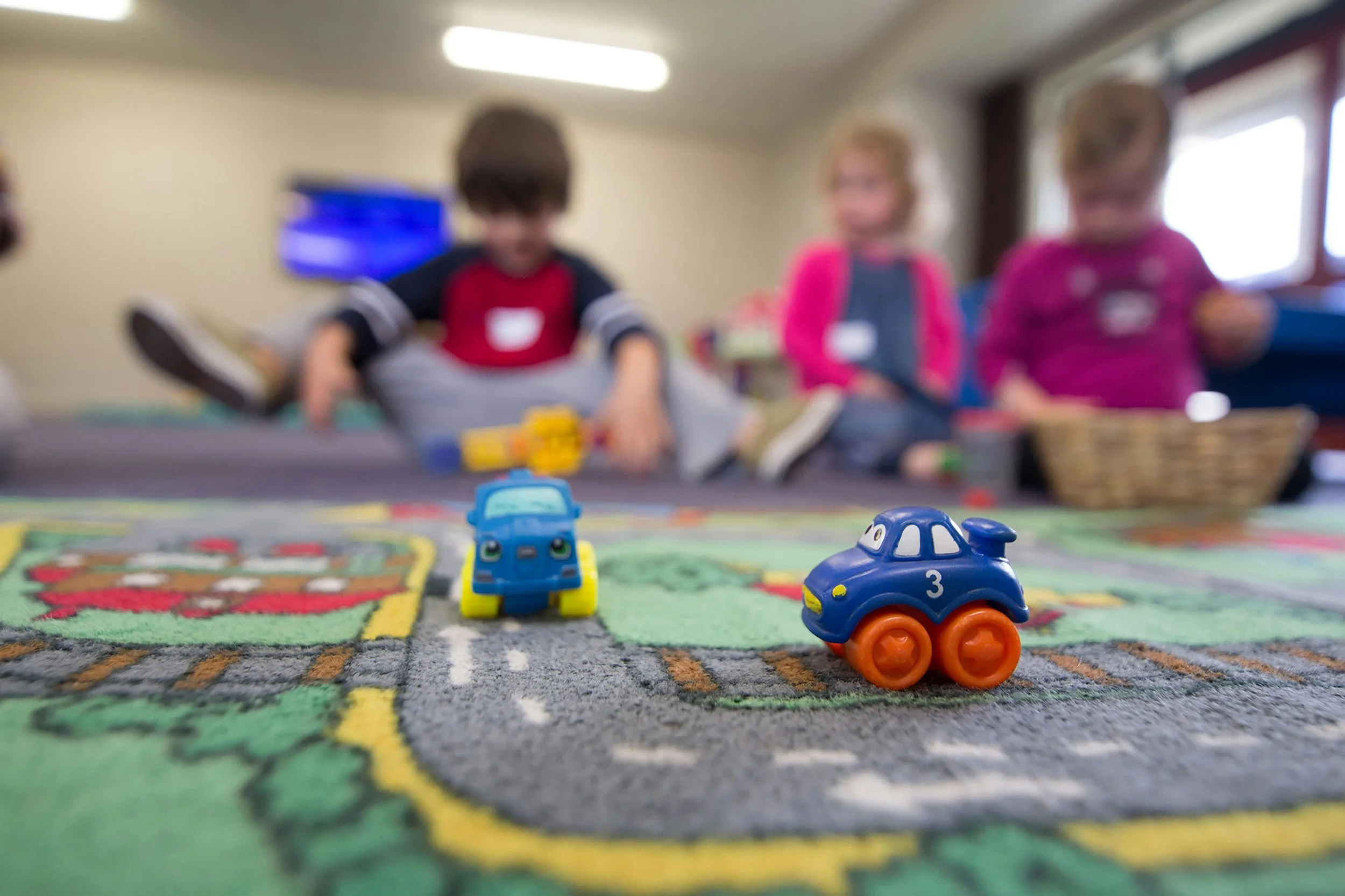
Zoom out to the rest of the centre and the same theme runs through it. A global review of air quality in preschools and day care centres found the usual suspects turning up again and again: CO2, fine particulates, and VOCs from the ordinary stuff of a childcare centre, new carpet, fresh paint, craft materials, cleaning products (review). CO2 tends to peak when the room is fullest and busiest, exactly when you'd want the kids settled and engaged rather than foggy and fractious.
It also correlates to how often the kids get sick. Research in day care centres has linked better ventilation to fewer sick days among the children (reference). Fresher air, fewer runny noses doing the rounds. Any parent who's survived a kindy winter knows exactly how much that's worth.
The point isn't to worry. It's to see.
Here's what I've landed on, as a dad and as someone who builds these sensors for a living. The goal isn't to make anyone anxious about a place their child is happy and safe. It's that you can't manage what you can't see, and air is the ultimate invisible thing. A basic CO2 monitor turn "it feels a bit stuffy in here" into a number, and a number is something you can act on.
And the actions are almost always tiny. Crack a window before nap time. Leave the sleep-room door ajar rather than sealed shut. Adjust the heating in the sleep room so it's comfortable. Air the busy rooms out at lunch. None of it costs much, and all of it works. The monitor's only job is to tell the teacher the moment the room needs it.
What I'd suggest to a centre
Start simple. Put a monitor in the sleep room first, because that's where the air tends to get worst and the ventilation is usually weakest. Watch it across a few nap times and you'll quickly see your own pattern: how fast CO2 climbs with the door shut, whether the room runs warm on a still afternoon. Then add one to the main activity room. Set a couple of easy thresholds, agree what to do when they're crossed, and you've turned an invisible thing into a normal part of the daily routine, no more dramatic than checking the weather before outdoor play.
Kindies already give our kids just about everything that matters. Clean, fresh, comfortable air while they sleep is a small thing to add.